

What is Secondary-trauma and Why Should Volunteers care about it?
- January 7, 2023
- , 2:18 pm
- , Blog, Self-care, Trauma
Introduction
Secondary trauma, also known as vicarious trauma, refers to the emotional and psychological distress that can be experienced by individuals who are indirectly exposed to the traumatic experiences of others. This can happen when someone regularly hears about or works with people who have experienced trauma, such as therapists, counselors, social workers, or healthcare professionals. This type of exposure to trauma can result in symptoms similar to those experienced by people who have directly experienced trauma, such as difficulty sleeping, changes in mood, difficulty concentrating, and feelings of hopelessness or helplessness. It is important for individuals who work with trauma survivors to be aware of the potential for secondary trauma and to take steps to manage and prevent it, such as through self-care and seeking support from colleagues or a supervisor.
How does it affect volunteers?
Secondary trauma can affect volunteers who work with trauma survivors in a similar way to how it affects professionals who work with trauma survivors. Volunteers who regularly hear about or work with people who have experienced trauma may be at risk of experiencing secondary trauma. This can be especially true for volunteers who work with trauma survivors on a long-term basis or who work in high-stress or intense environments.
Symptoms of secondary trauma may include emotional and psychological distress, difficulty sleeping, changes in mood, difficulty concentrating, physical symptoms, changes in behavior, difficulty maintaining personal relationships, and a sense of isolation. These symptoms can have a significant impact on the well-being of volunteers and may make it difficult for them to continue in their roles.
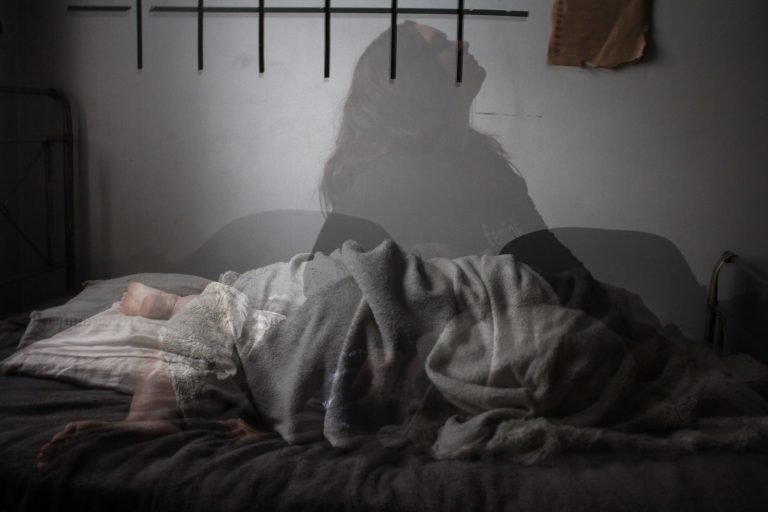
What are the symptoms?
Symptoms of secondary trauma can vary, but may include:
- Emotional and psychological distress, such as feelings of sadness, hopelessness, or helplessness
- Difficulty sleeping, including nightmares or difficulty falling or staying asleep
- Changes in mood, such as irritability or outbursts of anger
- Difficulty concentrating or remembering things
- Physical symptoms, such as fatigue, headache, or stomach problems
- Changes in behavior, such as avoiding certain situations or activities
- Difficulty maintaining personal relationships
- A sense of isolation or disconnection from others
What can you do to protect yourself?
There are a number of steps that volunteers can take to protect themselves from secondary trauma:
Engage in self-care: This can include activities such as exercising, getting enough sleep, eating well, and finding ways to relax and de-stress.
Seek support: It can be helpful to talk with colleagues, a supervisor, or a mental health professional about your experiences and how you are feeling.
Set boundaries: It is important to establish clear boundaries between your personal and professional life and to make sure that you have time to take care of yourself.
Take breaks: It can be helpful to take regular breaks from your work with trauma survivors to allow yourself time to recharge and refocus.
Learn about vicarious trauma: Understanding what secondary trauma is and how it can affect you can help you recognize the signs and take steps to protect yourself.
Seek out supervision or counseling: Working with a mental health professional or supervisor can provide you with the support and guidance you need to manage the effects of secondary trauma.
Practice self-awareness: Pay attention to your thoughts and feelings, and take note of any changes that may indicate that you are experiencing secondary trauma.
By taking these steps, volunteers can better protect themselves from the effects of secondary trauma and maintain their well-being.